EN
EN

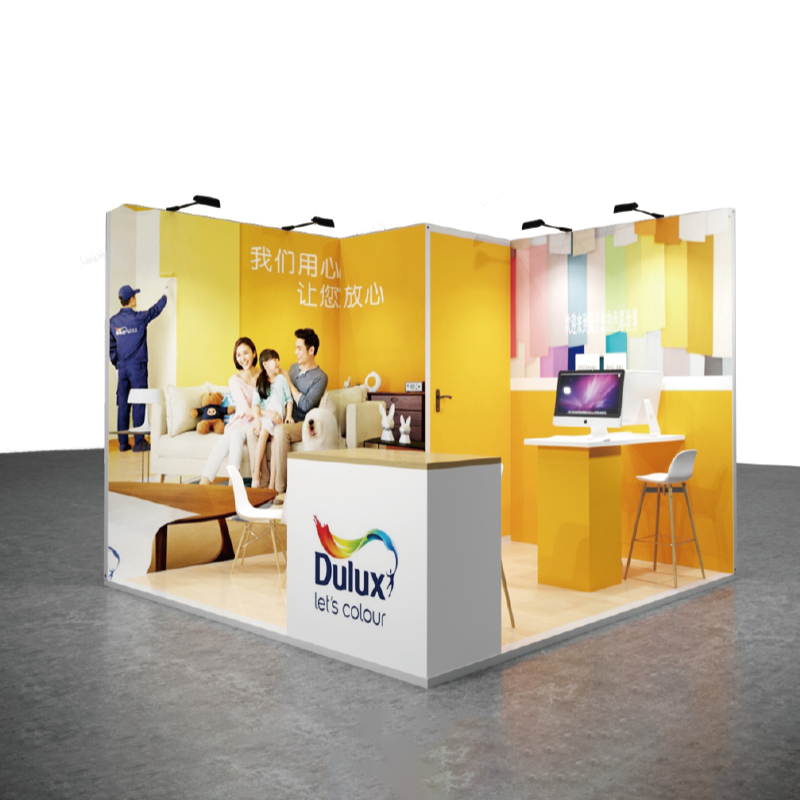
Core Types of Modular Trade Show Booths and Their Best-Fit Scenarios
Pop-Up, Backlit, and Architectural Modular Systems: Functional Differences and Ideal Use Cases
Pop up displays come with collapsible aluminum frames and fabric graphics that just snap together, no tools needed at all. They work great for those quick setups at local events or when something comes up last minute, since nobody wants to waste time fumbling around with complicated equipment. Then there's the backlit modular stuff which has LED lights shining through see-through graphics. These really grab attention in dark convention centers or busy hallways where people tend to walk fast. The lights make everything stand out more and keep folks lingering longer than usual. For bigger shows, architectural modular booths step things up with precision made aluminum frames that connect like puzzle pieces. These can handle multiple levels, have built in lighting, and even custom woodwork details. They're basically designed for those big flagship expos where brands want to tell their story in full force within those standard 20 by 30 foot island spaces. So each of these display types serves different purposes. Pop ups are good when budget matters and flexibility counts. Backlit versions create stronger impact when trying to catch eyes. And architectural setups deliver that premium experience that makes brands memorable.
Portable and Hybrid Modular Trade Show Booths for High-Frequency Travelers
Modular portable booths are all about being light on their feet literally weighing in at around 45 pounds or less per piece and packing down super small which means lower shipping costs and fewer headaches with drayage fees especially for those going to over a dozen trade shows each year. The hybrid designs mix durable frames that can be used again and again with different graphics panels plus shelves counters and various accessories so exhibitors can switch things up effortlessly from a basic 10x10 foot inline display to a full blown 20x20 foot island setup without having to build anything new from scratch. This kind of flexibility keeps brand presence consistent no matter where they show up while saving roughly 40% off the typical setup time when compared to old school methods making it a game changer for traveling exhibitors who need dependable equipment that travels well and doesn't require hiring extra hands onsite.
Proven Advantages of Choosing a Modular Trade Show Booth
3-Year Cost Efficiency: Data-Backed ROI from the 2023 Exhibitor Benchmark Report
Trade show booths that are modular actually give companies good value over time. According to the 2023 Exhibitor Benchmark Report, businesses get back about $1.25 for every dollar they put into these setups when looking at three year returns. Custom built exhibits tend to end up in landfills or need major changes between shows, but modular parts can be used again and again at different events, so there's no need to keep paying for new builds all the time. The lighter weight design means shipping costs drop around 40 percent compared to traditional setups, which saves money on freight bills year after year. Plus, since everything fits together in standard ways, putting it all together takes roughly half the time it would normally take. For medium sized companies trying to expand their presence at industry events without breaking the bank, these kinds of savings really matter when planning budgets for future shows.
Scalable Flexibility: Configuring Modular Trade Show Booths Across Standard Sizes (10×10 to 20×30 ft)
The same basic modular parts work for just about any space size out there. Think small 10 by 10 foot corners right up to those big 20 by 30 foot setups without needing new hardware each time. The system comes with different pieces such as display walls, mounts for monitors, counters, and privacy screens that let businesses adjust things based on what they need at the moment. Some companies build tiered walls when launching products, others create demo stations complete with power outlets and cable management solutions, while still others make semi private meeting areas using sound absorbing panels. A major tech company actually used these same components for 18 completely different booth designs throughout the year. They saved almost 60 percent on their overall exhibition costs and kept their brand looking consistent visually and structurally across all events.
Essential Selection Criteria for Your Modular Trade Show Booth
Budget Planning: Transparent Pricing Ranges ($3,500–$25,000) and Common Hidden Costs
Prices for modular booths range anywhere from around $3,500 for basic 10 by 10 foot pop-ups all the way up to about $25,000 for those fancy custom setups with lights, digital screens, and top notch finishes. What most people forget though is that what they see on paper isn't actually the whole story. A bunch of factors affect the bottom line including whether they go for high end materials like aircraft grade aluminum versus regular stuff, how much audio visual equipment they need rented, those extra charges when moving stuff into certain venues (sometimes over $200 per cubic meter), plus various logistics fees nobody thinks about upfront. Then there are these sneaky hidden costs too. Refreshing graphics every year typically runs between $300 and $800. Storing displays in climate controlled facilities might set someone back $150 to $500 a month depending on location. And don't even get me started on rush shipping options which often cost twice as much as standard delivery. According to last year's Exhibit Industry Survey, nearly seven out of ten companies went over budget because their quotes didn't account for actual labor costs or had incomplete material lists. Always ask for detailed breakdowns before signing anything. Companies that offer lifetime warranties on their frames tend to be better choices in the long run since replacing damaged components down the road becomes less of a headache.
Sustainability, Logistics, and Long-Term Usability Considerations
Eco-Conscious Material Choices: Balancing Durability, Weight, and Carbon Impact
Designing sustainable modular booths really comes down to getting three main things right at once: how long they last, how easy they are to move around, and their overall carbon footprint. Aluminum frames made from recycled material last much longer than new aluminum and require about 95 percent less energy to process. These frames stay strong even after being set up and taken down countless times. For interior elements, bamboo composites and woods certified by the Forest Stewardship Council give that warm natural feel while still breaking down over time. They don't compromise on strength either. The fabric graphics made from recycled PET plastic weigh significantly less than traditional vinyl options, cutting down transportation costs and reducing emissions from fuel consumption during shipping. When manufacturers specify materials containing at least 70% post-consumer recycled content, they cut down on the carbon embedded in products right from the start since there's less need for extracting and processing raw materials. Brands can hit those ESG goals without having to settle for lesser quality, looks, or shorter lifespan in their exhibition spaces.
FAQs
What are the main types of modular trade show booths?
There are three main types: Pop-Up Displays, Backlit Modular Systems, and Architectural Modular Booths. Each serves different scenarios from quick setups to premium experiences.
How do portable and hybrid booths benefit frequent exhibitors?
These booths are lightweight and easy to assemble, saving on shipping and labor costs. They offer flexibility, allowing different configurations using the same parts, making them suitable for frequent use across various events.
What are the cost benefits of using modular booths?
Modular booths offer long-term savings in production and shipping costs while being reusable for multiple events. They provide a good return on investment as per the Exhibitor Benchmark Report of 2023.
What should I consider when planning my budget for a modular booth?
Be sure to account for potential hidden costs such as material upgrades, audio-visual equipment rental, venue charges, and logistics fees. Transparency in pricing and warranties can also make a big difference.
How can modular trade show booths contribute to sustainability?
Through the use of recycled materials for frames and graphics, modular booths lower carbon footprints. Opting for eco-conscious materials also enhances durability and reduces energy use in manufacturing.