EN
EN

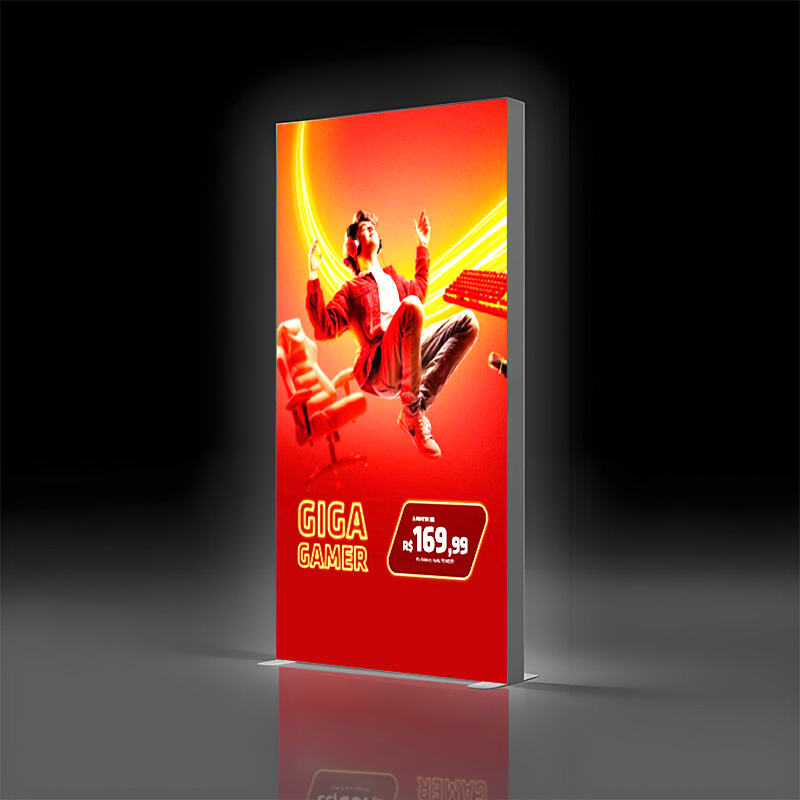
How Fabric SEG Lightbox Architecture Enables Seamless, High-Impact Visuals
Edge-to-Edge Silicone Edge Graphics Integration for True Seamless Presentation
Fabric SEG lightbox systems create really sharp visuals thanks to those specially made silicone edges on the graphics. The silicone strips are pretty flexible but they fit snugly into the aluminum frames' grooves, which helps keep everything tight and even across the whole surface area. What we get at the end is something that looks completely flat without any wrinkles, and there aren't those annoying little seams or gaps showing through either. No one sees the hardware behind it all, so the images run right from one edge to another without interruption. Most folks in the business will tell you that getting things aligned within fractions of a millimeter matters a lot when installing these systems because colors stay true and measurements remain accurate. Compared to old school lightboxes, these modern versions just don't have those distracting elements. That's why stores selling premium products, fancy showrooms, and immersive exhibition spaces love them so much. When every detail counts visually, these displays help brands connect better with customers and leave lasting impressions.
Aluminum Frame and Backlighting Synergy: Uniform Illumination Meets Structural Precision
Extruded aluminum frames do double duty here, acting as strong structural support while also holding all those fancy LED lights we see today. Special channels run through them to spread out the LEDs evenly behind whatever fabric graphics are displayed. There are also these diffusion layers that basically stop bright spots from appearing and make sure everything stays lit up uniformly. What this means is displays can hit over 95% Adobe RGB color range throughout the whole surface area, which matters a lot when brands want their colors to look exactly right. Another plus point? Aluminum doesn't warp easily even when temperatures change around it, so images stay aligned properly and lighting remains consistent over time. Looking at actual usage numbers, stores using these systems report people spend about 40% longer looking at displays compared to traditional ones according to Retail Display Institute research from last year. Makes sense why businesses care so much about keeping customers engaged visually in their spaces.
Key Advantages of Fabric SEG Lightbox Systems in Commercial Environments
Vibrant, Consistent Color Reproduction: Achieving 95%+ Adobe RGB Coverage
Fabric SEG lightboxes bring together advanced diffusion technology with stable fabric materials to deliver around 95% coverage of the Adobe RGB color space, which keeps important brand colors looking consistent no matter where they're installed. Traditional lightboxes often suffer from lighting inconsistencies that cause colors to fade at edges or shift hues, but the SEG system's even backlight maintains gradients, photo details, and text clarity even when surrounded by different types of ambient light. When businesses need precise color matching for places like upscale stores, art spaces, or company reception areas, these boxes typically match digital proofs within very small color differences, so they meet industry standards right out of the box without needing any adjustments after installation.
Rapid Graphic Swaps and Field Portability: <90-Second Updates for Dynamic Branding
This silicone edge channel system lets people swap out graphics in less than 90 seconds without needing any tools, screws, clamps or special workers. The foldable fabric panels take up about 70 percent less space when shipping compared to those stiff alternatives. And these aluminum frames can be rearranged over 200 times before showing any signs of wear and tear. Weighing in at under 15 kg per square meter, these displays stay sturdy even after lots of moving around, making them great for temporary setups, stores that change their look regularly, or events across different venues. Brands that update their displays more than 50 times a year report seeing roughly a third more engagement from customers, which shows just how important being able to adapt quickly is for keeping things fresh and connecting with audiences properly.
Design Best Practices for Optimal Fabric SEG Lightbox Performance
Context-Aware Layout Principles: Balancing Simplicity, Legibility, and Brand Hierarchy
Effective fabric SEG lightbox design prioritizes cognitive efficiency and visual hierarchy. Apply these evidence-based principles:
- Prioritize negative space: Limit each panel to one core message supported by minimal, purposeful visuals−reducing processing load and accelerating comprehension.
- Enforce high-contrast legibility: Use bold, sans-serif typography (¥30pt for 10ft viewing distance) and luminosity-balanced color palettes that maintain readability under backlighting.
- Anchor brand identity consistently: Position logos and signature colors in predictable zones (e.g., top-left or bottom-right) while allocating 60−70% of the surface to campaign-specific content.
Displays adhering to these guidelines demonstrate 40% longer viewer dwell times in observational studies−driven by reduced cognitive strain and reinforced brand recall.
Professional Fabric SEG Lightbox Installation and Maintenance Protocols
Precision Tensioning Techniques to Eliminate Wrinkles and Preserve Color Fidelity
Getting good results starts with proper tension calibration. Most problems come from bad technique, which causes about 70% of early graphic failures according to DisplayTech Journal last year. The process should start with securing each corner at the same time using those digital tension meters everyone talks about these days. Work outwards in a sort of cross pattern, making small adjustments around 5 to 10 percent increments so we don't stretch any one area too much. Aim for somewhere between 12 and 15 pounds per square inch when measured with a proper tensiometer. This sweet spot keeps things wrinkle free without messing with the ink quality or creating those annoying hot spots where colors fade faster. Heat control matters just as much though. If the display runs hotter than 104 degrees Fahrenheit for too long, colors tend to fade about 22% faster each year. Make sure to check tensions every three months with those laser alignment gadgets, looking for no more than half a millimeter variation across all the mounting points. This helps maintain consistent visuals over time despite whatever environmental factors might be at play.
Reusable Assembly Workflow: Tools, Sequence, and Troubleshooting Common Pitfalls
Having a reliable and quick assembly process that works well in the field makes all the difference. The standard toolkits come with rubber mallets that won't scratch surfaces when seating channels properly, plus those corner alignment tools that get things right within about half a millimeter. There are also these special testers to check if the LEDs are working correctly through their conductive threads. Here's how it usually goes down: Start by putting together those numbered frame parts first, then slot in the graphic with its silicone edges. Begin from the top left corner and work around clockwise. Those magnetic guides really save time because they take away the need for measuring by hand, making swaps happen pretty consistently in about a minute and a half. If something doesn't look right during installation, most problems tend to stem from misaligned corners or loose connections somewhere along the way.
| Symptom | Diagnostic Protocol | Resolution |
|---|---|---|
| Partial illumination | Test LED strips with multimeter | Replace faulty connectors |
| Fabric sagging | Verify tension gauge calibration | Re-seat silicone beading |
| Color banding | Inspect diffuser panel alignment | Reinstall optical layers |
Conclude installation with a 48-hour burn-in test to identify thermal stress points early−extending system lifespan by 40% versus ad-hoc commissioning.
FAQ
What are Fabric SEG Lightboxes?
Fabric SEG Lightboxes are displays utilizing silicone edge graphics that fit tightly into aluminum frames for high-quality, seamless visuals.
Why are Fabric SEG Lightboxes used in commercial environments?
They provide vibrant, consistent color reproduction and rapid graphic swaps, making them ideal for dynamic branding needs.
How do you maintain Fabric SEG Lightboxes?
Maintenance includes precision tensioning techniques, regular tension checks, and conducting a 48-hour burn-in test to ensure lasting visual quality.