EN
EN

How LED Fabric Light Box Design Drives Visual Performance
Fabric Integration for Superior Light Diffusion and Color Accuracy
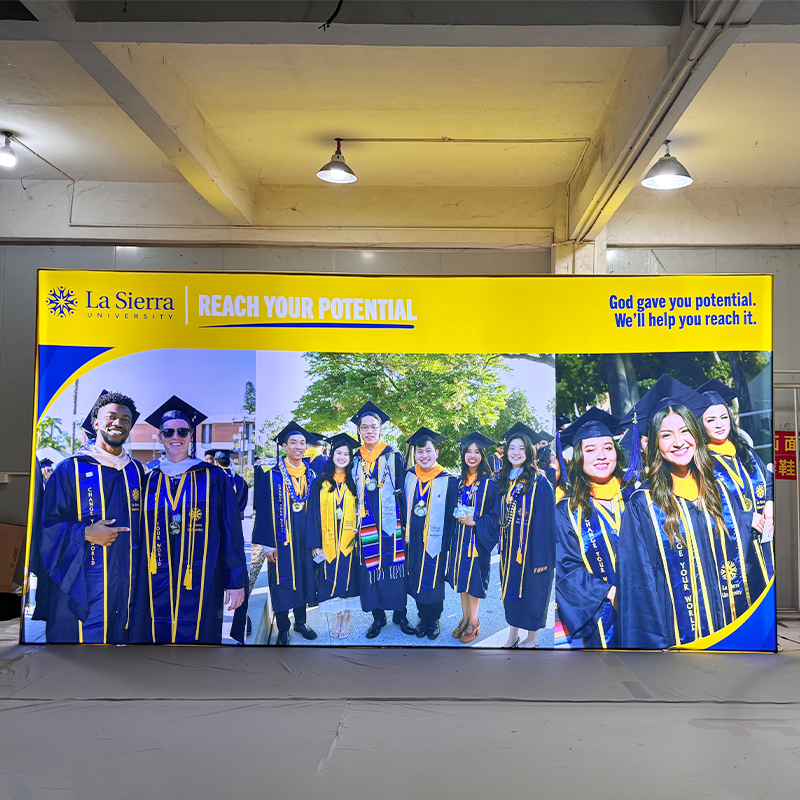
Fabric light boxes for LEDs rely on special textiles to transform the sharp, concentrated light from LEDs into something much smoother and more even. The way these fabrics are woven at a microscopic level spreads out the light so it covers the whole graphic area without creating those annoying bright spots we often see with regular LED setups. When it comes to color matching, these systems hit about 98% consistency according to industry standards from 2023, which means logos and brand colors look pretty much the same no matter where they're displayed. SEG technology helps make all this work better by pulling the fabric tight against the frame, giving us that clean, wrinkle free look that keeps everything looking sharp. And there's also that soft velvet texture on some models that really makes a difference too, as it soaks up extra light around the display and cuts down on reflections that can be such a problem in stores and trade shows.
Key Components Enabling Uniform, Shadow-Free Illumination
Three integrated engineering elements work synergistically to achieve flawless, shadow-free output:
- Edge-lit LED arrays: Diodes fire perpendicularly into acrylic light guides, enabling even photon distribution before reaching the fabric
- Reflective backing systems: Nano-coated surfaces recycle 95% of stray light–boosting efficiency and eliminating peripheral shadowing
- Tool-free tension frames: Precision-machined aluminum extrusions maintain a consistent 2mm gap between fabric and LEDs, preventing image distortion
This system delivers 6500K daylight-balanced illumination at under 35W/m²–65% more efficient than fluorescent alternatives–while sustaining 50,000 hours of maintenance-free operation. The result is vibrant, distortion-free visuals readable from 0° to 160°, a critical advantage in high-traffic trade show aisles where inconsistent lighting undermines visibility and recall.
LED Fabric Light Box in High-Traffic Environments: Trade Show & Retail Applications
Capturing Attention in Under 3 Seconds: The Science of Booth Standout
At busy trade shows, people typically decide if they want to stop at an exhibit booth within about three seconds. That brief moment is when good lighting really makes a difference in grabbing someone's attention. LED fabric light boxes use those super bright LEDs (around 3000 to 5000 nits) so they stand out against all the background lights. Graphics stay clearly visible even from 30 feet away which matters a lot in noisy environments. Studies have shown that well lit displays actually get about 40% more interaction compared to regular ones without lighting. The colors look much better and there are no shadows messing up the image, making them eye catching right away. These boxes turn flat images into something that looks almost 3D, drawing people toward the booth and creating that upscale brand feel. To make sure these lights work best, place them where most folks will see them first and adjust their height so they don't get lost among other displays.
Optimizing Contrast and Ambient Adaptation for Real-World Visibility
Getting these displays working well depends on adapting them to where they'll actually be used. Bright stores need completely different lighting control compared to those dark exhibition spaces people walk through. Many newer LED fabric setups come with built-in sensors that automatically tweak brightness levels based on surrounding light conditions. This keeps things looking good whether someone is standing outside in direct sunlight or walking past in a poorly lit corridor. The edges of these screens are also designed to prevent any light from leaking out around the sides, so text stays sharp and readable even when viewed from strange angles. For areas where lots of people pass by, look for models that offer at least 120 degrees of visibility. That way, folks who just glance at the display can still catch what's being shown, and maybe even stop long enough to really take it in.
Practical Selection Criteria for LED Fabric Light Box Buyers
Durability, SEG Frame Compatibility, and Tool-Free Graphic Replacement
For LED fabric light boxes, think about how well they hold up over time. Frames made from aircraft grade aluminum won't warp even when exposed to heat or physical stress. The polyester blend fabric stands up to UV rays and moisture too, so colors stay bright for longer periods. Make sure the box works with SEG frames (those are Silicone Edge Graphics). This matters because it keeps graphics taut without wrinkles and stops light from leaking out around the edges. Another big factor? Being able to change graphics without tools. Most good boxes have either magnets or snap fits that let someone swap out entire displays in less than 90 seconds. That cuts down on lost time when updating for sales events or holiday seasons, which happens all the time in retail spaces.
- Material endurance: Look for fabrics rated for 5+ years of fade resistance and reinforced stitching suitable for high-traffic venues
- Frame precision: Verify groove depth tolerance matches fabric thickness within ±0.5mm to prevent sagging or uneven tension
- Swap efficiency: Choose systems requiring zero tools–reducing labor costs by up to 70% per campaign change
Together, these features transform LED fabric light boxes from short-term signage into decade-spanning brand assets–combining rugged construction, optical precision, and operational agility.
Total Cost of Ownership: Why LED Fabric Light Box Delivers Long-Term Value
Energy Efficiency (65% Less Than Fluorescent) and 50,000-Hour Maintenance-Free Operation
When it comes to LED fabric light boxes, what really stands out is their long term value proposition. These boxes have two big selling points working together: they're super efficient when it comes to energy consumption, and they last an incredibly long time. Let's put some numbers into perspective here. Compared to old school fluorescent lighting options, these LED versions use about 65% less electricity. That means businesses can actually see their utility bills go down while still getting reliable operation for roughly 50,000 hours. To put that another way, if someone runs them 10 hours a day, we're talking over 13 years before needing replacement. Traditional fluorescent lights require constant bulb changes every 10k to 15k hours, which adds up both financially and in terms of labor costs. But the benefits don't stop there. The fabric graphics on these boxes are pretty tough stuff too, standing up well against wrinkles and wear. Plus, there's this clever tool free system for swapping out content whenever needed. No need for special tools or professional help, just pop in new graphics and continue operations as normal. All these factors combine to create a much lower overall cost compared to conventional alternatives. It's not just about saving money on power, though that's significant enough. There's also all those hidden savings from avoiding regular maintenance, stocking spare parts, and dealing with downtime during replacements.
FAQ Section
-
Q: What is SEG technology?
A: SEG stands for Silicone Edge Graphics, which involves pulling fabric tightly against the frame to eliminate wrinkles and light leakage. -
Q: How long do LED fabric light boxes typically last?
A: These light boxes are designed to last around 50,000 hours, which translates to over 13 years if used for 10 hours a day. -
Q: How do LED fabric light boxes enhance a booth's visibility at trade shows?
A: They use bright LEDs to stand out in high-light environments, making exhibits instantly noticeable and more interactive, increasing visitor engagement by up to 40%. -
Q: Can graphics be swapped easily on these light boxes?
A: Yes, most LED fabric light boxes allow for tool-free graphic replacement, making it simple and fast to update displays. -
Q: Are LED fabric light boxes energy efficient?
A: Yes, they typically use about 65% less energy compared to traditional fluorescent lighting, reducing power consumption significantly.